
What Happens If You Submit a Marriage Certificate Without Apostille?
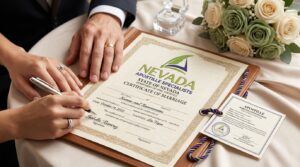 Using a marriage certificate internationally may seem simple at first, but many foreign governments require official authentication before accepting the document legally. If a marriage certificate is submitted without proper certification, foreign authorities may refuse to recognize the document entirely.
Many people only discover authentication requirements after facing visa delays, rejected applications, or immigration problems abroad. Understanding what happens if marriage certificate has no apostille can help prevent serious complications during international legal or immigration procedures.
Whether you are applying for a spouse visa, relocating overseas, handling international adoption, or pursuing residency abroad, proper document authentication is often a mandatory requirement rather than an optional step.
This guide explains why countries reject unauthenticated marriage certificates, how missing apostille certification affects immigration and legal processes, and what applicants can do if paperwork is denied because of incomplete authentication.
Why Do Foreign Countries Require Apostille Certification?
Foreign governments use apostille certification to verify that public documents issued overseas are legitimate and officially recognized.
Without authentication, another country may have no reliable way to confirm:
- whether the marriage certificate is genuine,
- whether the issuing office is legitimate,
- or whether the signatures and seals are authentic.
A marriage certificate apostille,confirms the authenticity of:
- the issuing authority,
- the official signature,
- and the government seal attached to the document.
This process allows foreign governments to trust international records more efficiently.
If documents are submitted without authentication, immigration offices, courts, and foreign agencies may reject them because they cannot independently verify legitimacy.
Can a Foreign Country Reject an Unauthenticated Marriage Certificate?
Yes. Many countries can reject foreign marriage certificates that are submitted without apostille certification or embassy legalization.
Unauthenticated documents may be considered:
- incomplete,
- unverifiable,
- or legally insufficient.
Some foreign authorities will immediately reject the paperwork, while others may request additional verification before continuing the process.
Countries that belong to the Hague Apostille Convention usually require apostille certification for foreign public documents. Non-Hague countries may require embassy legalization instead.
Understanding marriage certificate apostille vs embassy legalization is important because using the wrong authentication process can also lead to rejection.
Why Visa Applications Get Denied Due to Missing Apostille
Marriage certificates are commonly used during:
- spouse visa applications,
- dependent visa requests,
- residency permits,
- and family reunification cases.
Immigration authorities must verify family relationships before approving these applications.
If a marriage certificate lacks proper authentication, immigration officials may:
- question document authenticity,
- delay case processing,
- request additional verification,
- or deny the application entirely.
This is especially common in countries with strict immigration and fraud-prevention procedures.
Many applicants relocating overseas later realize why employers abroad require marriage certificate apostille documentation for family visa approval and dependent relocation.
What Is Document Rejection at Immigration?
Document rejection occurs when immigration authorities refuse to accept submitted paperwork because it does not meet legal or procedural requirements.
Common reasons include:
- missing apostille certification,
- incomplete notarization,
- unofficial copies,
- expired documents,
- or incorrect translations.
If immigration officers cannot verify the legitimacy of a marriage certificate, the application may be suspended until corrected documents are provided.
In some cases, applicants must restart portions of the immigration process after resubmitting properly authenticated paperwork.
This is why understanding apostille vs legalization requirements before applying internationally is extremely important.
What Are the Consequences of Submitting Unverified Marriage Documents?
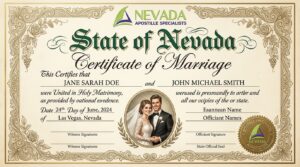 Submitting unauthenticated marriage records internationally can create several legal and immigration complications.
Potential consequences include:
- visa denial,
- immigration delays,
- rejected residency applications,
- denied work permits,
- delayed adoption approval,
- or refusal of legal recognition abroad.
Some foreign governments may also refuse:
- tax registration,
- spousal benefits,
- healthcare enrollment,
- or dependent visa processing without properly authenticated marriage documentation.
Courts and immigration agencies generally require official verification before recognizing foreign civil documents legally.
Because of this, many applicants use Nevada Apostille Specialists to help ensure international documents meet authentication requirements before submission.
Why Do Courts Need Apostille on Foreign Marriage Certificates?
Foreign courts frequently require apostille certification because they must verify the legal authenticity of overseas public documents before accepting them into official proceedings.
Apostilled marriage certificates may be required during:
- inheritance disputes,
- divorce proceedings,
- child custody cases,
- property ownership matters,
- or international family court proceedings.
Without authentication, courts may refuse to recognize the document as legally valid evidence.
Authentication helps courts confirm:
- the document is official,
- the issuing authority is legitimate,
- and the certification is valid under international law.
What Is the Legal Standing of a Non-Apostilled Marriage Certificate Abroad?
In many countries, a non-apostilled marriage certificate may have limited or no legal standing at all.
Without authentication:
- immigration authorities may not recognize the marriage,
- courts may reject the document,
- or government agencies may refuse to process related applications.
Some countries require apostille certification before:
- recognizing marital status,
- issuing dependent visas,
- processing citizenship applications,
- or approving family-related legal benefits.
This does not necessarily mean the marriage itself is invalid. Instead, it means foreign authorities cannot officially verify the authenticity of the document being submitted.
How to Appeal a Visa Denial Caused by a Missing Apostille
If a visa or immigration application is denied because of missing authentication, applicants may still have options.
The first step is usually:
- obtaining the required apostille or legalization,
- correcting incomplete documentation,
- and resubmitting the paperwork properly.
Some countries allow applicants to:
- appeal the decision,
- submit additional evidence,
- or reopen the case after corrected documents are provided.
However, appeals can increase:
- processing times,
- legal costs,
- and immigration delays.
Because authentication requirements vary internationally, many applicants review common marriage certificate apostille mistakes to avoid before resubmitting documents after denial.
How Does an Apostille Help Prevent International Document Problems?
Apostille certification simplifies international verification by creating a standardized authentication system between participating countries.
The apostille confirms:
- the authenticity of signatures,
- the legitimacy of seals,
- and the authority of the issuing office.
This reduces:
- fraud concerns,
- document disputes,
- and administrative delays during immigration or legal review.
Applicants preparing documents internationally often begin by learning how to apostille a marriage certificate in Nevada before submitting paperwork abroad.
What Happens If Apostille Delays Affect Immigration Deadlines?
Delays in apostille processing can create additional immigration complications if important deadlines are missed.
Processing timelines may vary depending on:
- the issuing state,
- government workload,
- mail delivery,
- or legalization requirements.
Applicants handling urgent immigration schedules frequently ask how long apostille takes (Blog 7) before booking travel or visa appointments.
If processing becomes unusually slow, understanding why does apostille take so long (Blog 15) may help explain common delay factors.
Can Apostille Requests Be Submitted by Mail?
Yes. Many states allow mail-in apostille processing for marriage certificates and related documents.
Mail-in requests generally require:
- certified documents,
- completed forms,
- payment,
- and prepaid return shipping.
Applicants submitting important records remotely often review how does mail-in apostille work for marriage certificates before sending original paperwork internationally.
Nevada Apostille Specialists also assists many applicants with mail-in apostille coordination and international document authentication support.
Common Mistakes That Cause Authentication Problems
Several avoidable mistakes commonly lead to rejected international documents.
These include:
- unofficial copies,
- incomplete notarization,
- damaged certificates,
- missing signatures,
- incorrect translations,
- or expired supporting documents.
Some applicants also submit federal documents to state offices incorrectly.
Understanding Nevada Apostille vs Federal Apostille requirements helps applicants avoid sending FBI background checks or federal records to the wrong authentication authority.
Final Thoughts
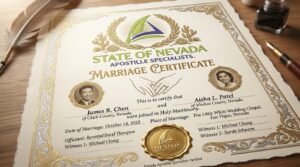 Submitting a marriage certificate internationally without proper authentication can create serious immigration, legal, and administrative problems. Many countries require apostille certification or embassy legalization before recognizing foreign public documents officially.
Understanding what happens if marriage certificate has no apostille helps applicants avoid rejected paperwork, delayed visas, and international legal complications.
Whether you are preparing documents for immigration, overseas employment, international adoption, or foreign court proceedings, proper authentication is one of the most important steps in ensuring your paperwork is legally recognized abroad.
For applicants handling Nevada-issued documents, Nevada Apostille Specialists helps simplify apostille certification, international legalization requirements, mail-in authentication processing, and document preparation for overseas use.
FAQs
Can a country reject a marriage certificate without apostille?
Yes. Many countries refuse unauthenticated documents for immigration, court, or residency purposes.
Why do visas get denied because of missing apostille?
Immigration authorities may reject applications if they cannot verify the authenticity of family relationship documents.
Is apostille required for every country?
No. Hague Convention countries generally require apostilles, while non-Hague countries may require embassy legalization instead.
Can I appeal a visa denial caused by missing apostille?
In many cases, yes. Applicants may correct authentication issues and resubmit properly verified documents.
What legal problems can happen without apostille certification?
Unauthenticated documents may lead to visa denial, immigration delays, rejected court filings, or refusal of legal recognition abroad.


Have Any Question?
Get In Touch:
getnotarized@apostillenevada.com