
Power of Attorney Apostille Risks Caused by Improper Notarization
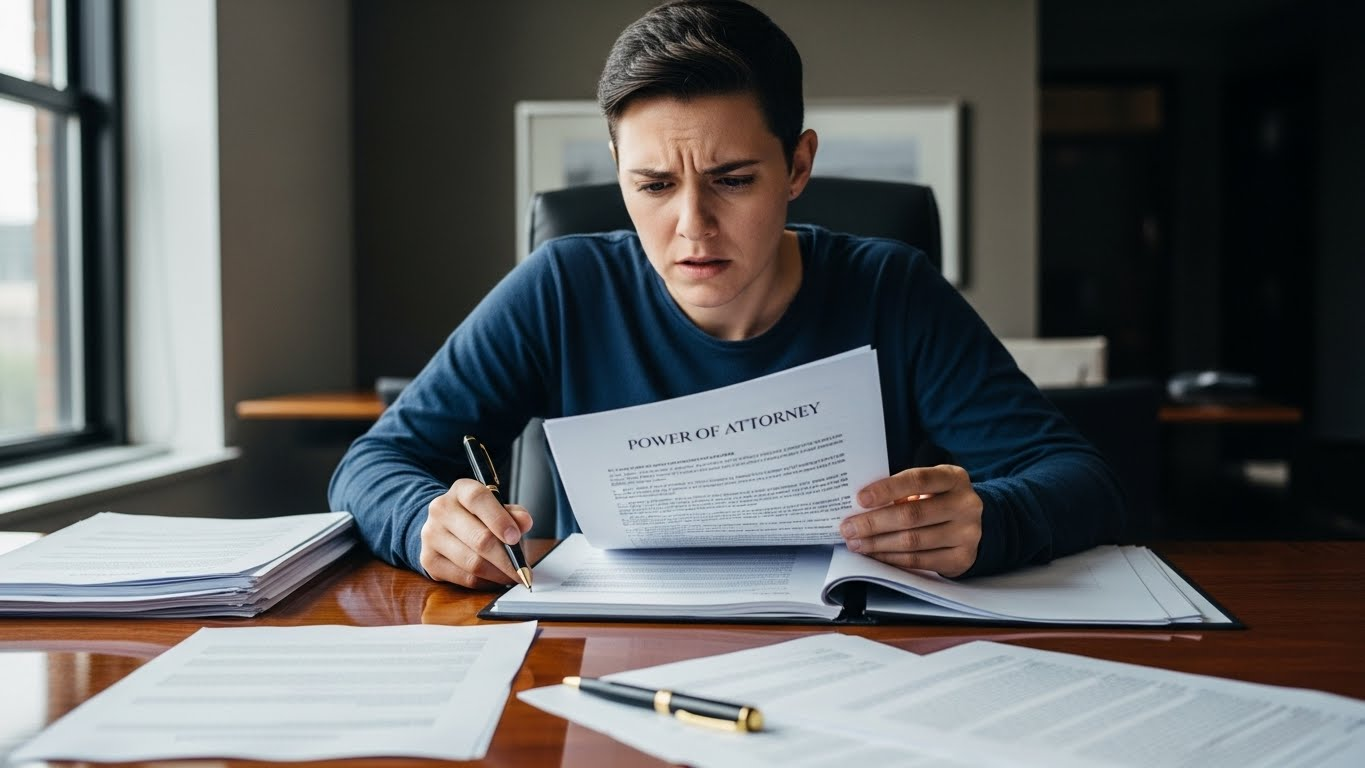
Power of attorney apostille problems don’t usually come from missing paperwork.
They come from how the document was notarized. That’s the part most people underestimate.
A power of attorney (POA) can be legally valid in the U.S. and still be completely unusable internationally. Apostille authorities don’t evaluate intent; they evaluate notarial compliance. When that compliance is even slightly off, rejection is immediate.
This is why power of attorney apostille requests have one of the highest rejection and delay rates of any document type.
Why Power of Attorney Documents Are High-Risk for Apostille
Unlike birth or marriage certificates, a POA is not a registry-issued record.
It is a privately executed legal instrument.
That means everything depends on:
- How it was signed
- How was it notarized
- Who notarized it
- Where it was notarized
If any one of those elements fails verification, the apostille fails with it.
This is why people often ask, can you apostille a power of attorney and the answer is yes, but only if it meets exact notarization standards.
Improper Notarization: The Core Cause of Rejection
Most power of attorney apostille failures trace back to notarial errors that look harmless but are fatal to authentication.
Missing or incorrect notarial wording
International apostille authorities verify notarial language line by line.
Common issues include:
- Missing acknowledgment or jurat
- Incorrect state or county naming
- Non-standard notarial phrasing
If the notary wording doesn’t meet state requirements, apostille approval stops immediately.
Expired or unverifiable notary commissions
If the notary’s commission:
- Was expired at signing
- Cannot be verified in state records
- Was issued in a different jurisdiction
The document becomes ineligible for an apostille, even if everything else is correct.
Notary location mismatch
A POA must be notarized in the same state where the apostille will be issued.
Sending a POA to the wrong apostille office, such as submitting a document notarized in another state, is one of the most common and costly mistakes.
This error alone can add weeks to processing.
Special Power of Attorney Apostille Errors

Apostille special power of attorney requests carry additional risk because SPAs are often drafted quickly for urgent international matters.
Drafting inconsistencies
Special power of attorney apostille errors often include:
- Vague authority descriptions
- Missing execution dates
- Incomplete signer identification
While these issues may not matter domestically, foreign authorities often reject SPAs that lack clarity or precision.
Notarization shortcuts under time pressure
Urgent SPAs are frequently notarized hastily.
This leads to:
- Incomplete notary seals
- Illegible signatures
- Improper acknowledgment format
These shortcuts directly cause special power of attorney apostille delays.
International Use POA Apostille Mistakes
For international use, POA apostille mistakes are amplified.
Foreign authorities rely on apostilles to confirm:
- The signer appeared before the notary
- The notary had legal authority
- The notarization meets U.S. standards
If the apostille authority has doubts, the document may be rejected abroad even if the apostille itself was issued.
This is where applicants often discover that apostille approval does not guarantee international acceptance if the underlying notarization is weak.
Sample of Apostille SPA: Why Templates Can Be Dangerous
Many people search for a sample ofan apostille SPA and reuse templates found online.
This is risky.
Templates:
- Don’t account for state-specific notarial rules
- Often lacks the required acknowledgment language
- May not align with destination-country expectations
Using a generic template without professional review increases the likelihood of rejection later in the process.
Why POA Apostille Delays Are Hard to Fix
Fixing power of attorney apostille errors is not as simple as resubmitting.
Most corrections require:
- Re-executing the document
- Re-notarizing under proper conditions
- Restarting apostille processing
That means new signatures, new dates, and lost time, especially problematic when POAs are used for property sales, banking, or legal representation abroad.
The Hidden Cost of Sending POA to the Wrong Apostille Office
Submitting a POA to the wrong apostille authority doesn’t just delay approval; it often invalidates the submission entirely.
Apostille offices do not forward documents.
They reject them.
Applicants then discover:
- Filing fees are non-refundable
- Processing timelines reset
- Urgent international deadlines are missed
This mistake is especially common with SPAs notarized while traveling or executed remotely without jurisdiction checks.
Why Professional Review Matters for POA Apostille
Power of attorney apostille exists in a narrow compliance window.
Professional review focuses on:
- Notarial language accuracy
- Commission verification
- Jurisdiction alignment
- Destination-country expectations
This prevents rejection before the document ever reaches the apostille authority.
For a broader understanding of why notarization and authority errors affect all document types, not just POAs, review The Reality Behind Apostille Services in Nevada, which explains why most apostille failures start long before submission.
Final thought

Power of attorney apostille is not difficult, but it is unforgiving. Improper notarization doesn’t cause minor issues. It causes complete failure. When notarization is correct, jurisdiction is aligned, and authority is verified, apostille processing is straightforward. When assumptions replace verification, rejection is inevitable.
Getting a POA apostille right the first time protects timelines, authority, and international acceptance exactly where mistakes hurt most.




Have Any Question?
Get In Touch:
getnotarized@apostillenevada.com