
Divorce Decree Apostille Issues: Most Court Documents Contain
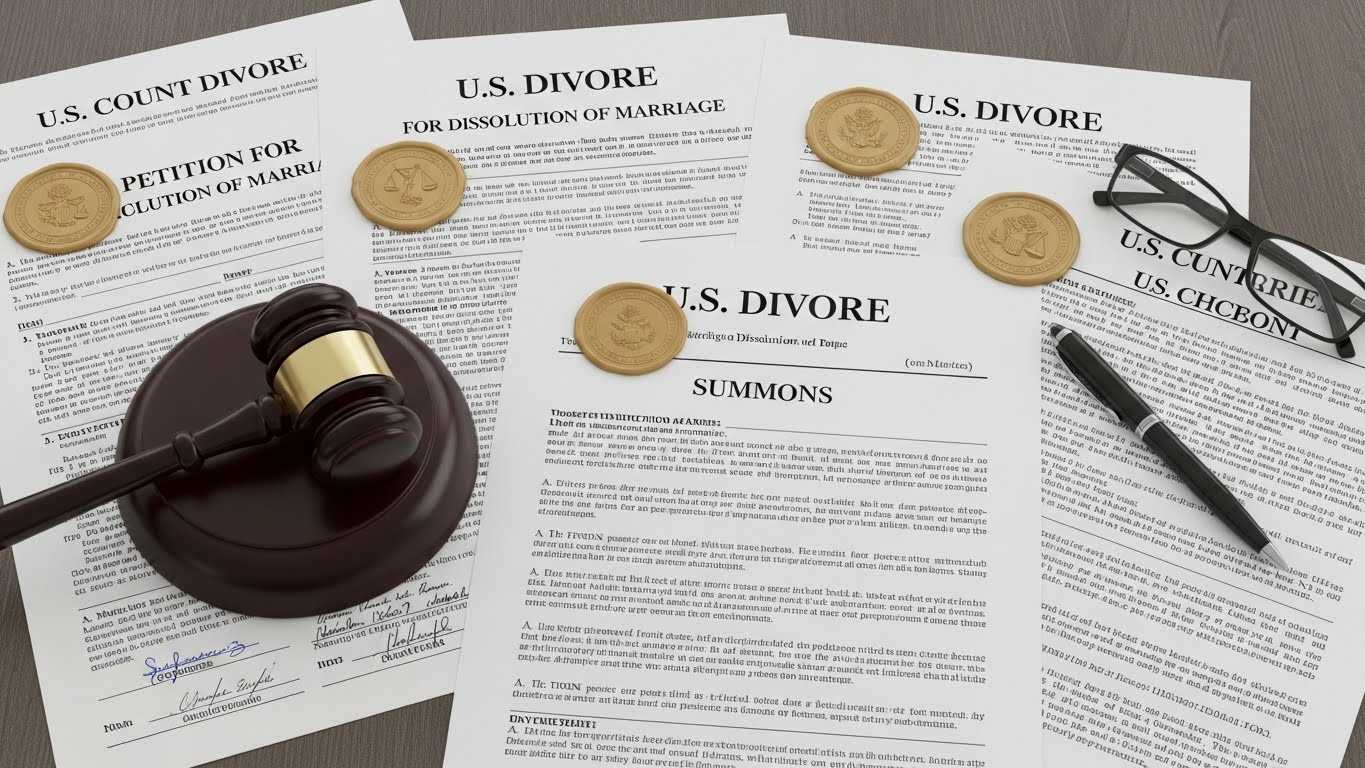
Divorce decree apostille problems rarely come from complex legal disputes.
They come from technical court document errors that most people don’t know exist. A divorce decree feels final. Signed by a judge. Filed by a court. Stamped and official.
That sense of finality is exactly why so many international apostille requests fail. Courts issue documents for domestic use. An apostille exists for international verification, and those two systems don’t always align.
Why Divorce Decrees Are High-Risk Apostille Documents
Among all apostilled documents, divorce decrees sit in a danger zone.
They are:
- Court-issued
- Multi-page
- Signature-dependent
- Often confused with certificates
- Frequently reissued or amended
Each of those factors introduces apostille failure points.
Unlike vital records, divorce decrees rely heavily on judicial authority verification, which is where most apostilles for divorce decree requests break down.
The Difference Between a Divorce Decree and a Divorce Certificate
This confusion causes more rejections than almost anything else.
A divorce decree is a full court judgment.
A divorce certificate is a summary record issued by a vital records office (available in some states).
Many countries require the divorce decree, not the certificate. Others require both but apostilled separately.
Submitting the wrong document type leads to rejection abroad, even if the apostille itself is technically valid.
Understanding the difference between a divorce decree and certificate is foundational. Skip this step, and nothing else matters.
Incorrect Information on Divorce Decree Apostille Requests
Court documents are unforgiving.
Common issues include:
- Missing the judge’s original signature
- Clerk’s signature without proper authority
- Stamped copies instead of certified copies
- Incomplete page sets
- Amendments not included
Apostille offices do not “fix” documents. They verify what’s submitted. If the decree contains incorrect or incomplete information, apostille processing stops immediately.
This is one of the most overlooked divorce decree apostille issues.
Sending Divorce Decree to the Wrong Apostille Office
This mistake costs people weeks, sometimes months.
Divorce decrees are state court documents. That means they usually require an apostille from the same state that issued the decree.
Sending a divorce decree to:
- The wrong state
- A federal office
- A third-party authority without jurisdiction
results in automatic rejection.
This error often happens when someone relocates after a divorce and assumes their current state can apostille the document. Jurisdiction does not move with the person; it stays with the issuing court.
Why Divorce Decrees Require Pre-Submission Review
Divorce decrees are not flexible documents.
Fixing mistakes often requires:
- Court reissuance
- New certified copies
- Clerk re-certification
- Restarting apostille processing
This is why professional apostille handling exists to catch issues before submission, not after rejection.
For a broader context on how these errors fit into larger apostille failures, review the seed authority blog:
The Reality Behind Apostille Services in Nevada
Why Notarization Is Often Misapplied to Divorce Decrees
Another common misunderstanding: notarization.
Some divorce decrees are already certified by the court and should not be notarized. Others require clerk certification, not notary acknowledgment.
Adding notarization where it doesn’t belong can:
- Invalidate court certification
- Break the authentication chain
- Cause apostille refusal
Apostille notarization rules for court documents are not the same as for affidavits or powers of attorney. Treating them the same creates instant problems.
Apostille Mistakes for International Divorce Decrees
International use adds another layer of scrutiny.
Common apostille mistakes for international divorce decrees include:
- Apostilling only part of the decree
- Ignoring destination country formatting rules
- Submitting uncertified translations
- Apostilling before the required court certification
- Assuming an apostille alone is always sufficient
Some countries require additional steps beyond an apostille. Others reject decrees that don’t match their legal terminology exactly.
International acceptance is not automatic; it’s conditional.
Why Court Clerks Don’t Guarantee Apostille Eligibility
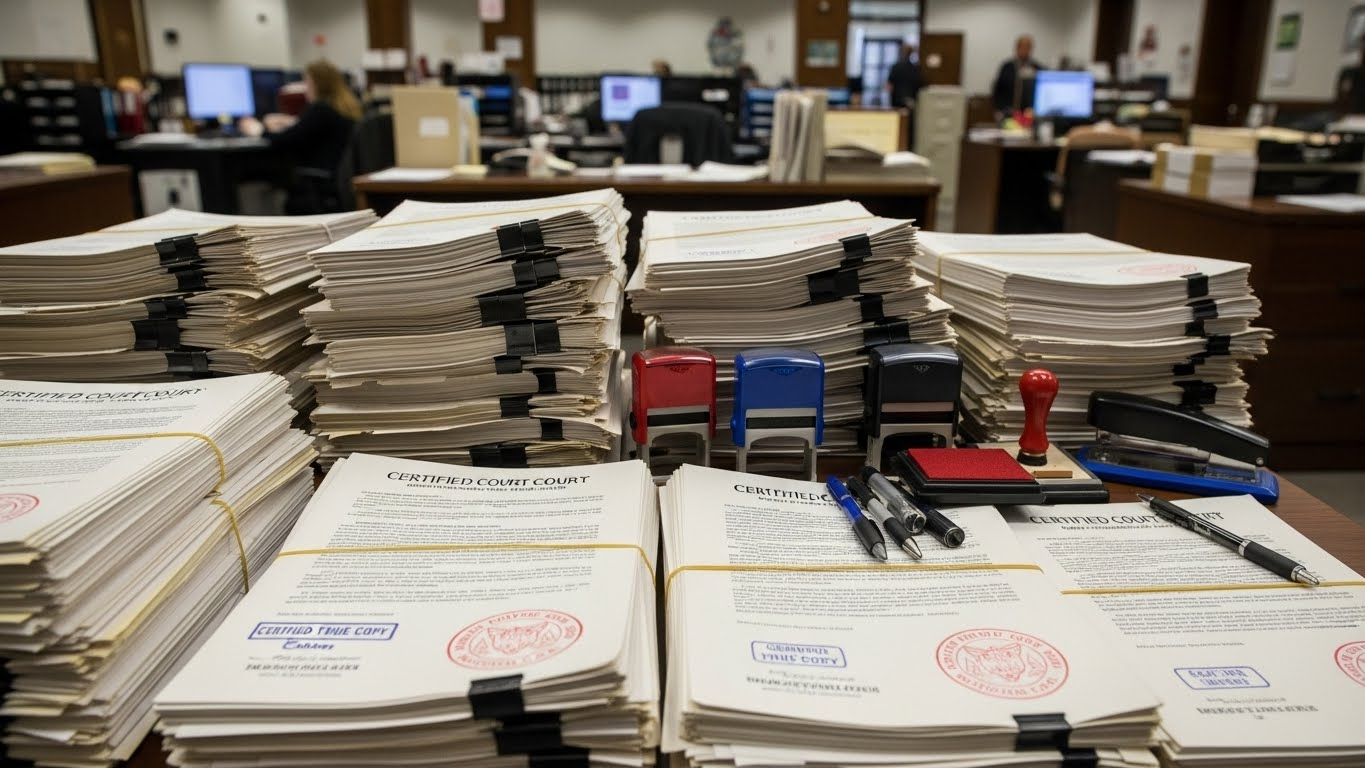
Court clerks are excellent at issuing court records.
They are not responsible for international document acceptance.
A clerk may issue a certified copy that is valid domestically but still fails apostille verification due to:
- Signature authority not on file
- Improper certification language
- Missing jurisdiction markers
This disconnect is why many applicants are surprised when an “official court document” is rejected during apostille processing.
When Divorce Decree Apostille Problems Delay Real Life
Divorce decree apostille issues don’t stay on paper.
They delay:
- Remarriage abroad
- Immigration sponsorship
- Property division overseas
- Child custody recognition
- Pension and inheritance claims
In international legal systems, a divorce is not recognized until the document is properly authenticated. Apostille rejection effectively means the divorce doesn’t exist in that jurisdiction.
Why Professional Handling Matters for Divorce Decrees
Court documents demand precision.
Professional apostille handling focuses on:
- Verifying the correct document type
- Confirming the issuing court authority
- Ensuring proper certification
- Matching jurisdiction to the apostille office
- Preventing submission errors
This is especially critical for divorce decrees because correcting mistakes often requires court reissuance, not simple resubmission.
If you’re preparing a divorce decree for international use, proper handling through a dedicated Divorce Decree Apostille service reduces risk before timelines are affected.
Getting a Divorce Decree Apostille Right the First Time
A successful divorce decree apostille depends on one principle:
Authority must be verifiable without interpretation.
That means:
- Correct document type
- Proper court certification
- Correct apostille office
- Complete, unaltered records
- Destination-aware preparation
Divorce decree apostille is not about speed. It’s about compliance.
Final Thought

Divorce decree apostille problems don’t announce themselves early.
They surface only after submission, when fixing them takes the longest.
Most issues are predictable. Most are avoidable.
And almost all come from misunderstanding how court documents are treated internationally.
Precision at the start prevents rejection at the end.




Have Any Question?
Get In Touch:
getnotarized@apostillenevada.com