The Reality Behind Apostille Services in Nevada
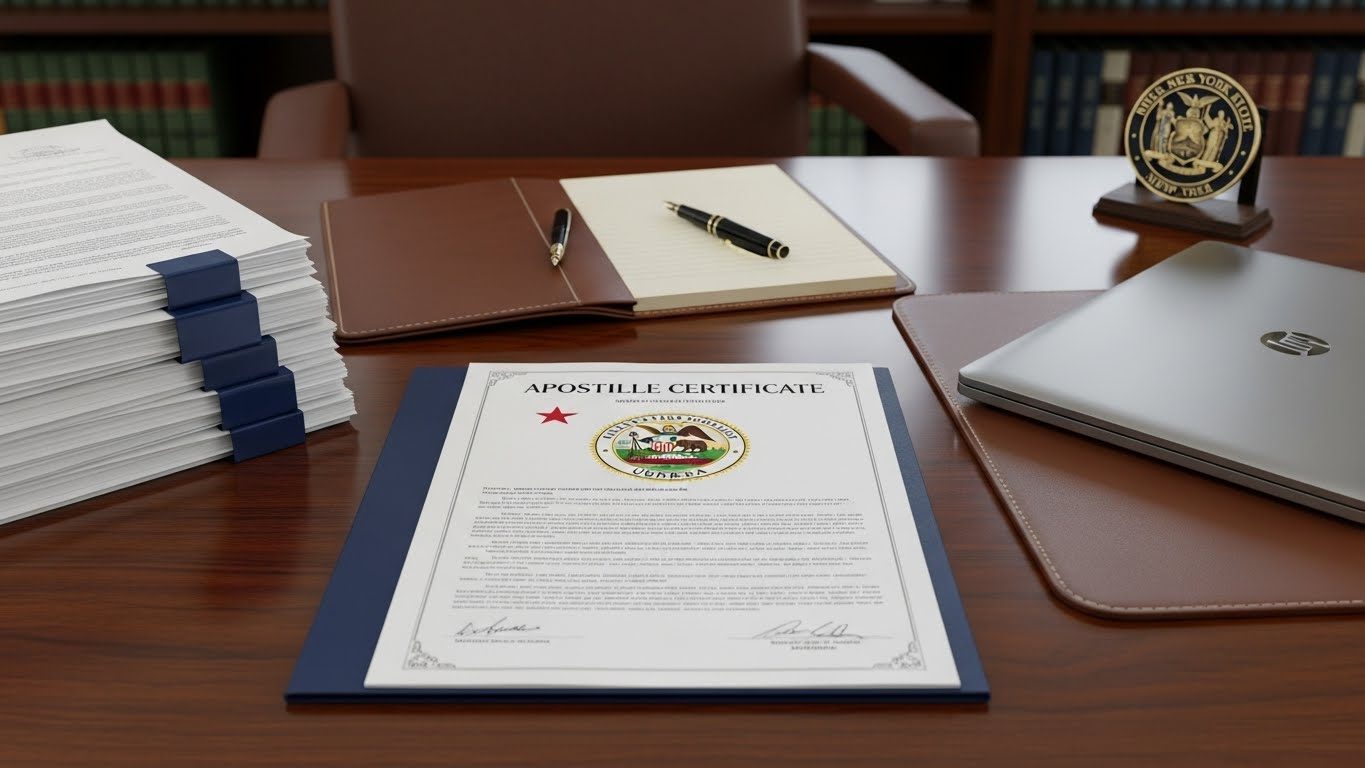
At Apostille Nevada, we see the same pattern repeatedly: most apostille problems don’t start overseas. They start the moment a document is submitted. That’s the part most people don’t realize until it’s too late.
An apostille is often misunderstood as a stamp, a seal, or a quick administrative formality. In reality, apostille processing is a precision-based legal verification system. One small mismatch, such as a signature that doesn’t align, a seal that isn’t recognized, or a document issued by the wrong authority, can trigger rejection, delays, or complete invalidation abroad.
People usually learn this only after their document is rejected. This guide exists to make sure that doesn’t happen.
The Illusion of Simplicity
At first glance, apostille processing looks straightforward. You submit a document. It gets certified. You move on. That illusion causes most failures.A notarized document is not automatically apostille-ready. The relationship between apostilles and notarized documents is one of the most misunderstood parts of the process. Even an official-looking seal does not guarantee acceptance, and documents issued by government offices can still be rejected if they fail eligibility rules. The biggest misconception is believing that appearance equals authority. International document acceptance doesn’t care how official a document looks; it only cares whether the issuing authority can be verified through recognized records. This is the foundation of official document authentication in Nevada.
Where Apostille Requests Commonly Fail
Apostille failures are not random. They follow patterns, and almost all of them are preventable.
Incorrect notarization
Many documents are notarized incorrectly. Missing notarial language, expired commissions, or unauthorized notary types instantly invalidate requests. Understanding when notarization applies and when it does not is essential in document authentication in Nevada.
Wrong authority selection
Some documents require state-level apostille processing, while others require federal authentication. Submitting to the wrong authority leads to automatic rejection.
Mismatched details
Even minor inconsistencies, name formatting, dates, or document versions, can trigger rejection.
Document eligibility errors
Not all documents qualify for apostille processing. Some require certified copies, others original issuance, and some prior authentication steps. These are not technicalities. They are compliance rules, and they apply every single time.
What Apostille Actually Verifies
This is where clarity matters most. An apostille does not verify the content of a document. It does not validate facts, claims, or statements.
An apostille verifies authority.
Specifically, it confirms:
- The authenticity of the signature
- The validity of the seal
- The authority of the issuing office
This is the legal basis behind the attested certificate’s meaning in international use. Foreign governments do not evaluate what a document says; they evaluate whether it was issued by a legally recognized authority that can be traced and verified.
That’s why apostilled documents are accepted internationally,y and incorrectly processed ones are not.
Document Types That Trigger the Most Errors
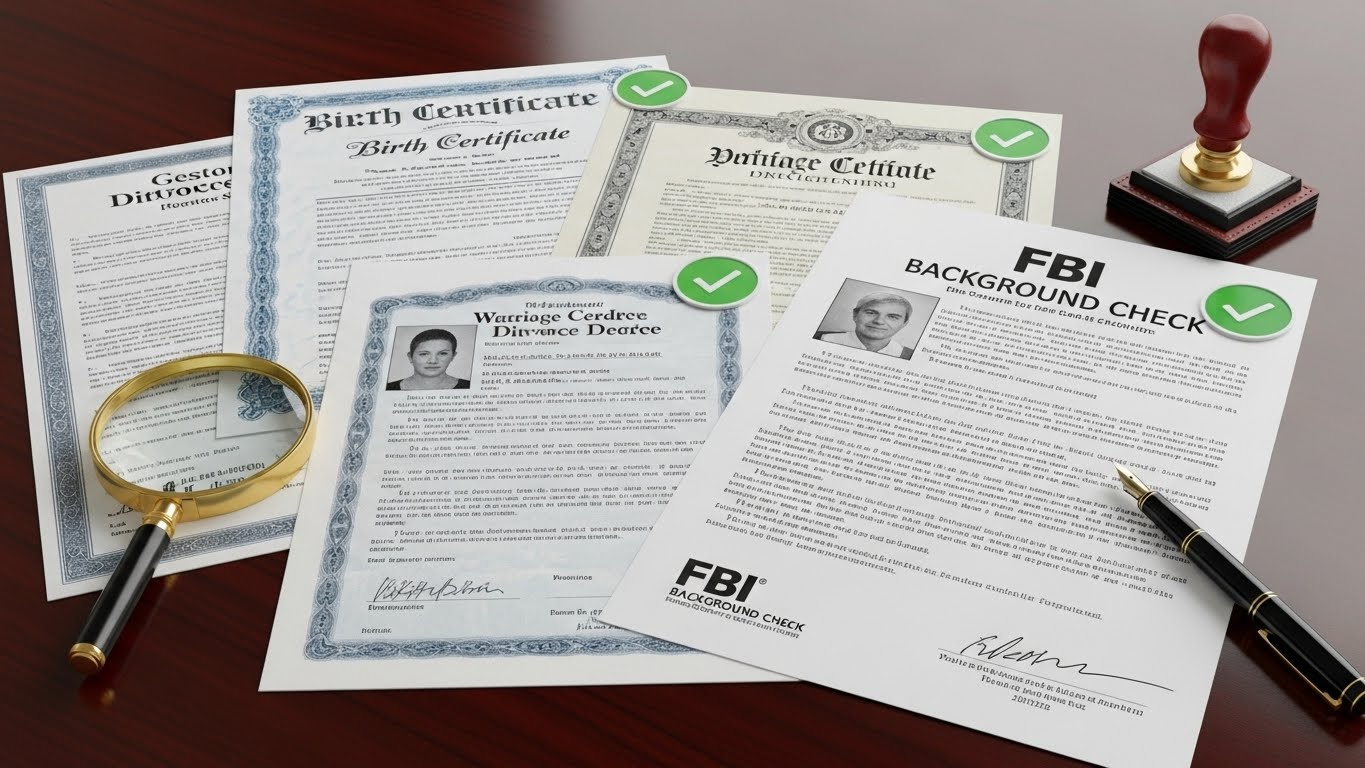
Not all documents carry the same risk profile. Some categories consistently trigger apostille problems.
Birth certificates
Incorrect versions, photocopies, or unofficial extracts often lead to rejection. Learn more about proper processing in our Birth Certificate Apostille guide.
Death certificates
Timing, certified issuance, and jurisdiction errors are common. See detailed requirements for the Death Certificate Apostille to avoid delays.
Marriage certificates
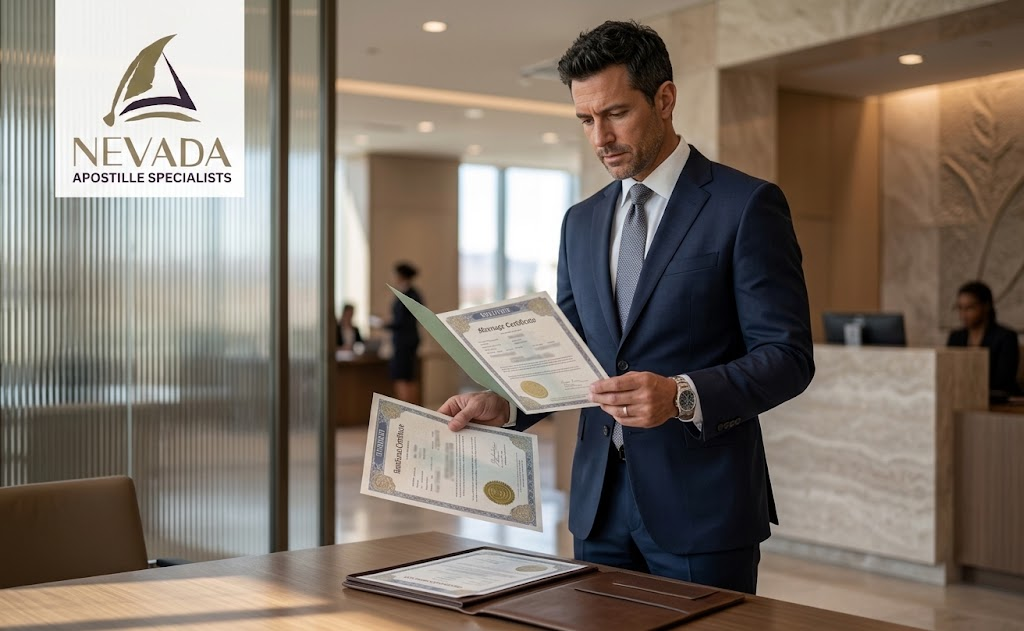
Clerical formatting issues and outdated certificates frequently delay approval. Our Marriage Certificate Apostille page explains how to submit the correct version.
Divorce decrees
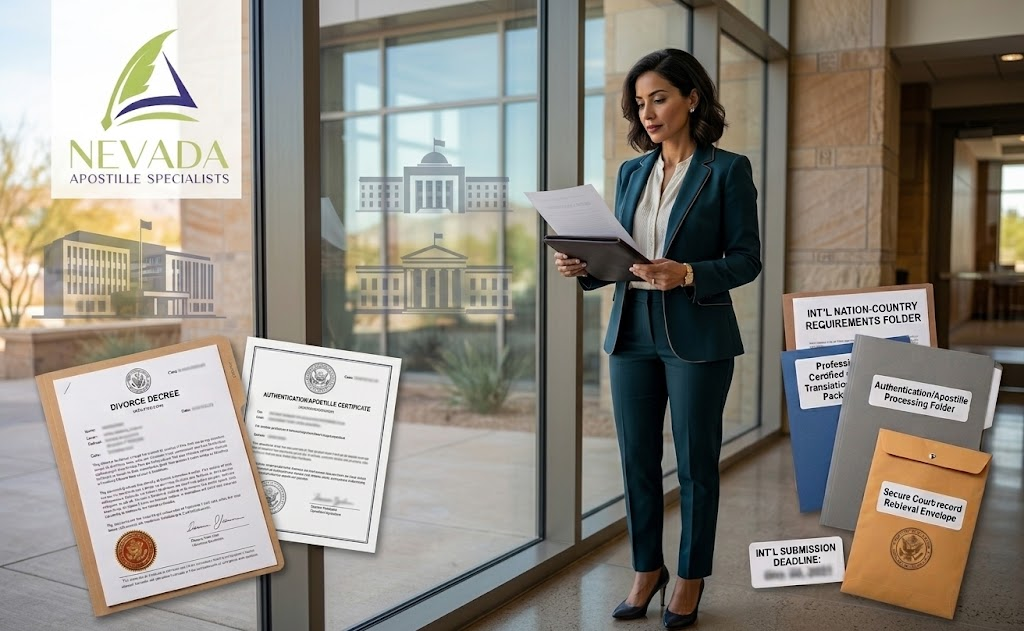
Unsigned or incomplete court copies often fail authentication standards. Review the compliance rules for the Divorce Decree Apostille before submission.
FBI background checks
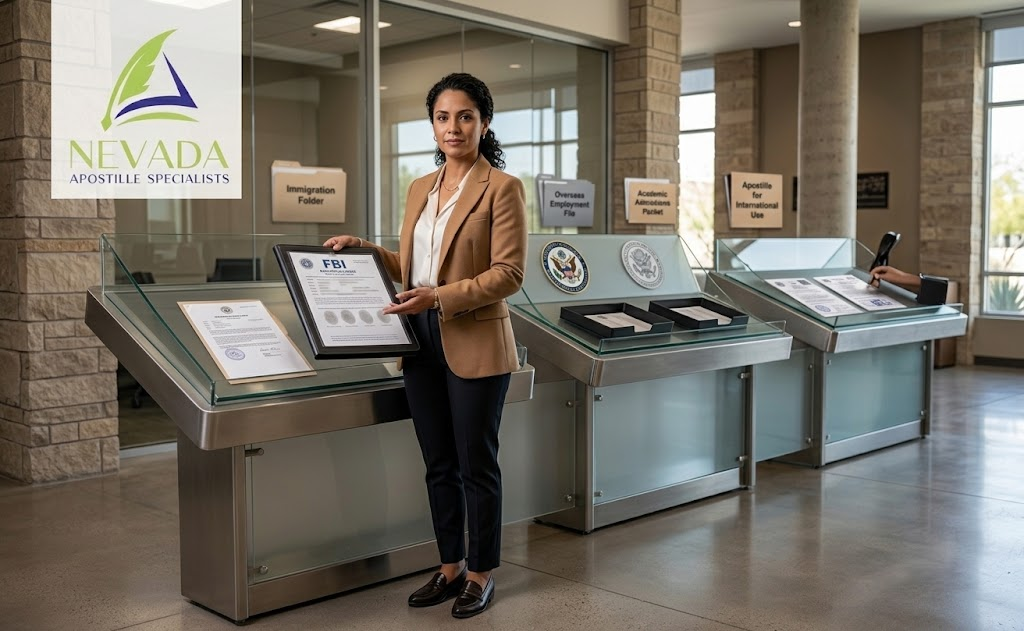
These require federal authentication and are frequently misfiled at the state level. Visit our FBI Background Check Apostille page for federal processing guidance.
Naturalization certificates
Requests involving apostilled naturalization certificates are especially sensitive and require federal-level authentication, not state processing. See our Naturalization Certificate Apostille service for correct handling.
Powers of attorney
Improper notarization and authority mismatches cause frequent rejections. Our Power of Attorney Apostille page outlines notarization and eligibility rules.
Each document type has unique compliance rules. Treating them the same is a guaranteed mistake.
State vs Federal Apostille Confusion
This is one of the most expensive misunderstandings in the process.
A State of Nevada apostille applies only to documents issued or notarized within Nevada and verified through state records.
Federal documents, such as naturalization certificates, must go through federal authentication channels.
Submitting a federal document to a state office doesn’t slow things down; it stops the process entirely.
Why Embassy Legalization Is Often Confused
Apostille and embassy legalization are not interchangeable.
Apostilles apply only to countries that are members of the Hague Apostille Convention. If a destination country is not a member, an apostille alone is insufficient.
In those cases, embassy legalization is required. This confusion remains one of the most common causes of delay in official document authentication in Nevada for international use.
The Cost of Getting Apostille Wrong
Apostille mistakes are not just inconvenient; they’re expensive.
Common consequences include:
- Missed visa or immigration deadlines
- Delayed university admissions
- Frozen business contracts
- Stalled international property transactions
In many cases, a single rejection causes cascading delays that last weeks or months.
Why Professional Apostille Services Exist
Professional apostille services in Nevada don’t exist to complicate the process. They exist because the process is exacting.
Expert handling focuses on:
- Pre-submission document review
- Authority and eligibility verification
- Compliance with apostille and notarized document rules
- Error prevention before submission
This isn’t about shortcuts. It’s about precision.
How Correct Apostille Processing Creates Certainty
When apostille processing is done correctly from the start:
- Delays disappear
- Resubmissions aren’t needed
- Documents are accepted the first time
Reviewing an apostille certificate example often shows the difference clearly. Every signature, seal, and authority aligns perfectly.
Apostille Done Right From the Start
Apostille services in Nevada are not complicated, but they are exact.
Precision determines acceptance.
Knowledge prevents rejection.
Correct submission beats correction every time.
Most apostille problems are avoidable. The key is understanding what an apostille verifies, choosing the correct authority, and ensuring compliance before submission.
When an apostille is done right from day one, it works exactly as intended, smoothly, efficiently, and is internationally accepted.
Final Thought
Most apostille issues are not caused by complex laws or changing international rules. They happen because documents are submitted under false assumptions about notarization, authority, or eligibility before verification ever takes place.
Apostille processing in Nevada is exact by design. When the correct authority is chosen, documents are properly authenticated, and requirements are followed in the right order, international acceptance is straightforward and reliable.
The difference between approval and rejection is rarely luck. It’s preparation.
And when an apostille is done right from the start, it works exactly as intended once, correctly, and without delay.


Have Any Question?
Get In Touch:
getnotarized@apostillenevada.com